

When couples start planning their wedding music, the first thing they often think about is the ceremony. The entrance of the bride, the signing of the register, the couple’s exit — those are the obvious musical moments.
But live music during the daytime part of a wedding can do far more than simply provide one or two special songs.
Daytime wedding musicians help shape the whole flow of the day. From the moment guests arrive, through the ceremony, drinks reception, photographs, room turnaround, wedding breakfast and sometimes even into cocktail hour, live music can help each part of the wedding feel connected.
At JAM Duo, we provide live piano and cello music for weddings across the UK, and most of our work is during the daytime part of the wedding. That means we are often playing from guest arrival right through to the meal, moving between ceremony spaces, terraces, barns, gardens, ballrooms, marquees and dining rooms.
So in this article, we are looking at how daytime wedding musicians actually fit around your wedding timeline — not just why music is important, but where it goes, how it works, and what couples should think about when planning live music for the day.
What Are Daytime Wedding Musicians?
Daytime wedding musicians are musicians who provide live music before the evening party or DJ begins.
This usually includes some or all of the following:
- Guest arrival music
- Wedding ceremony music
- Drinks reception music
- Music during photographs
- Wedding breakfast music
- Cocktail hour music
- Music for room turnarounds or guest movement between spaces
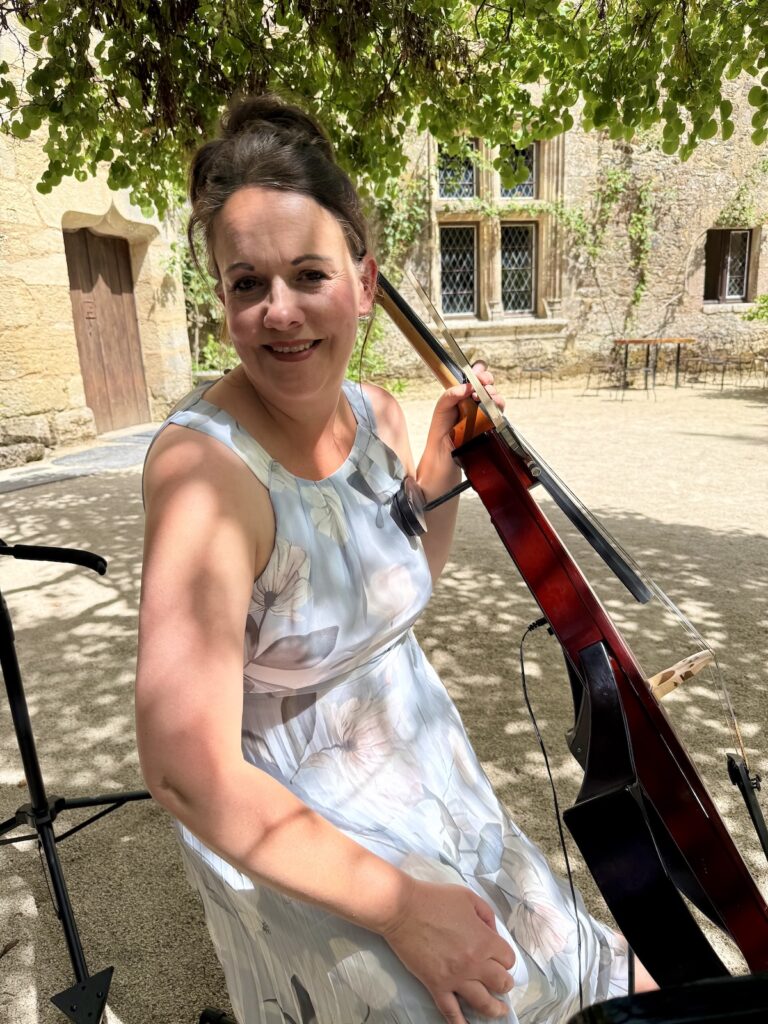
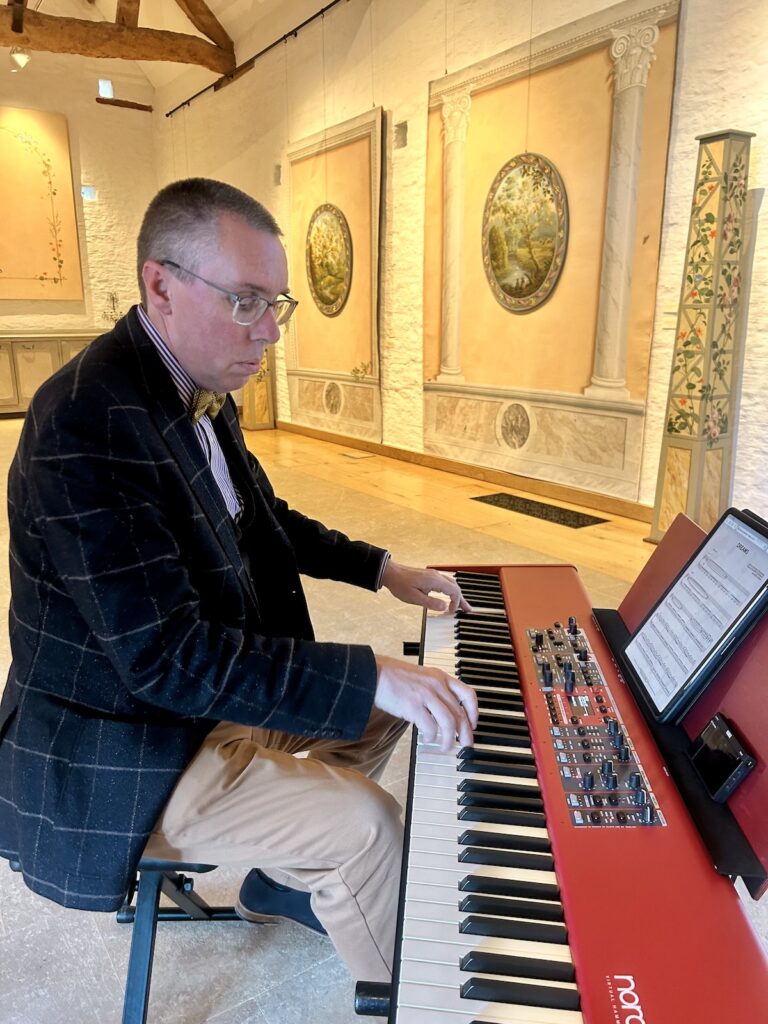
For JAM Duo, this means live piano and cello music performed by the two of us — Jules on piano and Anne-Marie on cello. We play everything live, with no backing tracks, and we provide music for the key daytime parts of the wedding.
The important thing to understand is that daytime wedding music is not one single moment. It is part of the structure of the day. It helps move guests from one atmosphere to another.
The music before the ceremony feels calm and anticipatory. The music during the signing feels reflective. The couple exit feels celebratory. Drinks reception music feels relaxed and sociable. Wedding breakfast music adds warmth and polish to the meal.
Each part of the day has a different purpose, and good daytime wedding musicians will understand how to shape the music accordingly.
Guest Arrival: Setting the Atmosphere Before the Ceremony
Guest arrival music is one of the most overlooked parts of a wedding day.
This is usually the 20 to 30 minutes before the ceremony begins, when guests are arriving, finding their seats, greeting each other and taking in the venue.
Without music, this part of the day can sometimes feel a little flat. Guests are waiting, the ceremony has not begun, and everyone is aware that something important is about to happen. Live music helps create a sense of occasion from the moment they arrive.
For guest arrival, we usually play music that is elegant, calm and welcoming. This might include romantic film themes, classical-style arrangements of modern songs, Bridgerton-inspired music, Disney, Taylor Swift, Ed Sheeran, Lana Del Rey, Coldplay or anything else which suits the couple’s taste.
This music does not need to be dramatic. Its job is to create atmosphere.
It tells guests that the wedding has begun. It softens the room. It gives the ceremony space a sense of warmth before the formal part of the day starts.
For outdoor weddings, guest arrival music can be especially effective. Whether guests are gathering on a lawn, in a walled garden, beside a lake or outside a barn, live music helps the space feel intentional rather than simply somewhere people are waiting.
Ceremony Music: The Most Carefully Timed Part of the Day
The ceremony is where daytime wedding musicians need to be at their most precise.
There are usually three main parts to the ceremony music:
- The entrance music
- The signing music
- The couple exit music
There may also be music for bridesmaids, flower girls, page boys, parents, or separate entrances before the bride.
The entrance music is one of the most personal choices of the whole wedding day. Some couples choose a traditional piece. Others choose a modern song which has meaning to them. We have played everything from classical music to film themes, Disney songs, pop ballads, indie tracks, video game music and completely unexpected personal requests.
One of the biggest advantages of live music is timing.
A recorded track cannot see what is happening. It cannot slow down slightly if the bridal party is taking longer than expected. It cannot finish naturally if the bride reaches the end of the aisle sooner than planned.
Live musicians can respond in the moment.
If the bridesmaids take longer, we can continue. If the bride pauses at the entrance, we can hold the atmosphere. If the aisle is short, we can bring the music to a natural and elegant close. That flexibility matters enormously during the ceremony.
The signing of the register is different. This is usually a quieter, more reflective moment. It often lasts around five to ten minutes, depending on the ceremony type, the photographer, the registrars and whether there is a staged signing photograph.
For signing music, couples often choose two or three songs. These can be romantic, personal, relaxed or simply beautiful pieces that suit the atmosphere.
Then comes the couple exit. This is the first moment after the couple are officially married, and the music should feel joyful. Some couples choose something upbeat and celebratory. Others choose a meaningful love song. Either way, the exit music changes the mood immediately.
The ceremony begins with anticipation. It ends with celebration. Daytime wedding musicians help make that transition feel natural.
After the Ceremony: Confetti, Photos and the Change of Mood
The period immediately after the ceremony is one of the busiest parts of the wedding day.
Guests stand up, congratulate the couple, move outside, gather for confetti, find drinks, talk to family members, and begin to relax. Photographers often need to organise group photos, while venue staff may be resetting spaces or preparing drinks.
This is where the mood of the wedding changes.
The formal ceremony is over, and the day becomes more social.
Live music can help bridge this transition beautifully. Instead of silence or a sudden change to a completely different atmosphere, the music continues and gently shifts the tone from ceremony to celebration.
For JAM Duo, this is often when we move from the ceremony music into drinks reception music. Depending on the venue, we might stay in the same place, relocate to a terrace, move to a garden, or set up in a different room.
This is one of the reasons why it is helpful to plan the timeline carefully with your musicians. If the ceremony is in one place and the drinks reception is somewhere else, musicians need time to move safely with instruments, speakers, stands, cables and equipment.
At many weddings, we provide music for the ceremony and then relocate quickly while guests are having confetti or initial photographs. At other venues, we remain in the same place and the guests come to us. Both can work well, but the key is knowing the plan in advance.
Drinks Reception Music: Creating a Relaxed Social Atmosphere
The drinks reception is one of the most popular times to have daytime wedding musicians.
This is usually the part of the day when guests are drinking, chatting, enjoying canapés, having photographs and settling into the celebration. It can last anywhere from one hour to two hours, depending on the wedding timeline.
Drinks reception music should be relaxed, stylish and enjoyable. It should give the afternoon energy without making conversation difficult.
For piano and cello, this is a lovely part of the day because we can move through a wide range of styles. We might play romantic pop songs, film music, Disney, Bridgerton-style arrangements, light classical pieces, upbeat pop, jazz-influenced numbers, or music chosen by the couple.
The important thing is variety.
During a drinks reception, guests are not sitting silently listening to a concert. They are moving around, talking and enjoying themselves. The music needs to support that.
We often find that guests come over to ask about particular songs, especially when they recognise something unexpected being played on piano and cello. A Taylor Swift song, a Muse track, a Disney theme, a video game piece or a classic pop song can all work beautifully when arranged live.
The drinks reception is also where live music can help avoid the awkward lull that sometimes happens after the ceremony. Without music, guests may not quite know what the atmosphere is supposed to be. With music, the celebration continues naturally.
Moving Between Spaces: Why Flexibility Matters
One of the biggest practical considerations for daytime wedding musicians is movement.
Weddings often use several different spaces. For example:
- Ceremony in a barn
- Drinks outside in the courtyard
- Wedding breakfast in a marquee
Or:
- Ceremony in a garden
- Drinks on the terrace
- Meal in the orangery
Or:
- Ceremony in a ballroom
- Drinks in the gardens
- Wedding breakfast back inside
Every venue is different. Some are very compact, while others involve quite a lot of moving around. Some have steps, gravel paths, courtyards, lawns, lifts, terraces, narrow doorways or separate ceremony buildings.
This is where experienced daytime wedding musicians make a real difference.
It is not just about being able to play. It is about understanding how weddings actually work.
At JAM Duo, we bring our own equipment and regularly move between spaces during a wedding day. Sometimes we use our gloss black piano shell, which gives the look of a grand piano. At other weddings, a more compact setup is better, especially where the ceremony and drinks reception are in different locations.
Outdoor weddings also require practical thought. Musicians need shade, suitable ground, safe access to power if required, and protection from rain, wind or strong sun. Instruments and iPads do not enjoy extreme heat, and electric instruments and speakers need to be used safely.
Venue sound restrictions can also affect where musicians are allowed to set up. Some venues do not allow amplified music outside, while others allow musicians to play from inside with the doors open, directing the sound towards an outdoor ceremony or drinks reception.
These details might sound small, but they can make a big difference on the day. The best wedding music plans are both beautiful and practical.
Wedding Breakfast Music: The Overlooked Part of the Day
Wedding breakfast music is probably one of the most underestimated uses of daytime wedding musicians.
Many couples think carefully about the ceremony and drinks reception, but do not always consider the meal. Yet the wedding breakfast is often one of the longest parts of the day.
Guests are seated. Food is served. Speeches may happen before, during or after the meal. The pace changes again. After the movement and energy of the drinks reception, the wedding breakfast needs warmth and atmosphere.
Live music during the meal can completely transform this part of the day.
It gives guests something to enjoy between courses. It keeps the atmosphere lifted. It helps the room feel special. It also avoids the slightly empty feeling that can sometimes happen when everyone sits down and the background disappears.
For wedding breakfast music, we usually choose music that is elegant, recognisable and not too intrusive. Couples sometimes give us a list of favourites; other times they simply ask for a mixture of popular choices. Both approaches work well.
This is a good place for music by artists such as Coldplay, Ed Sheeran, Taylor Swift, Adele, The Beatles, Elton John, Muse, Snow Patrol, Disney, film themes and modern romantic songs. On piano and cello, these pieces can be arranged in a way that feels suitable for dining without becoming bland background music.
Wedding breakfast music is not meant to be a performance that stops conversation. It is there to give the room life.
For us, it is also a lovely opportunity to include more of the couple’s personal music choices. The ceremony only has a limited number of moments, but the meal allows space for a broader selection of songs.
Speeches and Live Music
Speeches are another important part of the wedding timeline, and they affect how daytime musicians fit into the day.
Some couples have speeches before the meal. Some have them after the meal. Some spread them between courses. Occasionally speeches happen during the drinks reception, especially at more informal weddings.
Musicians need to know when speeches are planned so they can stop at the right time and avoid any awkward overlap.
At JAM Duo, we are used to working around speeches, venue staff and catering timings. If speeches are before the meal, we may begin playing once they have finished and the food service starts. If speeches are after the meal, we may play during the earlier part of the wedding breakfast and then finish before the speeches begin.
The key point is that live musicians are part of the rhythm of the day. We are not separate from the timeline; we work within it.
This is why it helps when couples give musicians a clear schedule, even if it changes slightly on the day. Weddings rarely run exactly to the minute, and that is completely normal. Experienced musicians know how to adapt.
Cocktail Hour: A Growing Part of the Wedding Day
Cocktail hour is becoming more popular at UK weddings.
This often happens after the wedding breakfast and before the evening reception begins. It gives guests a chance to move around again, enjoy drinks, reset the room, or prepare for the evening party.
For couples who want live music to continue beyond the meal, cocktail hour can be a brilliant option.
It has a slightly different feel from the drinks reception earlier in the day. The formal parts of the wedding are mostly complete, the meal has finished, and the evening guests may not yet have arrived. Music at this point can keep the atmosphere alive and prevent the day from dipping before the evening entertainment begins.
For piano and cello, cocktail hour can include slightly more upbeat choices, modern songs, film music, jazz-influenced pieces or favourite tracks chosen by the couple.
It is also useful if the room needs to be turned around for the evening. While staff are changing the space, guests can enjoy live music elsewhere rather than feeling as though they are simply waiting.
An Example Wedding Music Timeline
Every wedding is different, but here is an example of how daytime wedding musicians might fit around a typical wedding day.
12.30pm – Guest arrival music
Live music begins as guests arrive and take their seats for the ceremony.
1.00pm – Ceremony
Music for the bridal party entrance, bride entrance, signing of the register and couple exit.
1.30pm – Confetti and drinks reception begins
Guests move outside or into the drinks reception space while live music continues or musicians relocate.
2.00pm – Drinks reception music
Live music while guests enjoy drinks, canapés and photographs.
3.30pm – Guests are seated for the wedding breakfast
Musicians relocate or prepare for the meal.
4.00pm – Wedding breakfast music
Live music during the meal, chosen to suit the room and atmosphere.
5.30pm – Speeches
Music stops for speeches, either before or after the meal depending on the couple’s schedule.
6.00pm – Cocktail hour or finish
Optional additional music before the evening reception begins.
This is only one example, but it shows how live music can link the main daytime sections of a wedding together.
Rather than thinking of musicians as something you book for one isolated moment, it can be helpful to think of them as part of the whole structure of the day.
Questions to Ask When Planning Daytime Wedding Music
When planning live music for the daytime part of your wedding, it is worth thinking about a few practical questions.
Where will the musicians set up for the ceremony?
Will the ceremony be indoors or outdoors?
If the ceremony is outside, is amplified music allowed?
Will the musicians need to move for the drinks reception?
How much time is available for relocation?
Is there power available where needed?
Will there be shade for an outdoor performance?
Where will the musicians play during the wedding breakfast?
When are the speeches happening?
Do you want specific songs for each part of the day, or would you prefer the musicians to choose suitable music?
These are the sorts of details that help the day run smoothly.
Couples do not need to have every answer immediately. A good venue and experienced musicians will help work through the practicalities. But thinking about the timeline early makes it much easier to plan where music can have the most impact.
One Duo, Several Parts of the Day
One of the reasons many couples book JAM Duo for the daytime part of their wedding is continuity.
Having the same musicians play for the ceremony, drinks reception and wedding breakfast gives the day a consistent musical thread. The sound of piano and cello becomes part of the atmosphere from the moment guests arrive until the meal is underway.
It also simplifies planning. Rather than booking separate suppliers for each part of the day, couples can have one live act covering several key moments.
For us, this is one of the most enjoyable ways to provide wedding music. We get to be part of the whole afternoon, adapting the music as the day changes.
The ceremony might be emotional and intimate. The drinks reception might be relaxed and sociable. The meal might be warm and elegant. The music changes with each part of the day, but the sound remains connected.
That is what good daytime wedding music should do.
Daytime Wedding Musicians Are Part of the Flow
The best wedding music does not feel bolted on.
It feels as though it belongs to the day.
Daytime wedding musicians are there to support the natural movement of the wedding: the anticipation before the ceremony, the emotion of the vows, the joy of the exit, the social energy of the drinks reception, the warmth of the meal and the transition towards the evening.
It is not simply about filling silence. It is about giving the day shape.
When music is planned well, guests may not always consciously notice every detail, but they feel the difference. The atmosphere is warmer. The transitions are smoother. The important moments have more presence.
For couples planning their wedding timeline, this is why live daytime music is worth thinking about early. It affects more than the ceremony. It can help bring the whole afternoon together.
Planning Your Wedding Music with JAM Duo
JAM Duo provide live piano and cello music for weddings throughout the UK. We regularly play for ceremonies, drinks receptions, wedding breakfasts, cocktail hours and first dances.
Our music is always performed live by the two of us: Jules on piano and Anne-Marie on cello. We do not use backing tracks, and we do not send deputy musicians.
Couples can choose specific songs for the key ceremony moments, create a list of favourites for the drinks reception and meal, or simply ask us to choose music that suits the atmosphere of the day.
Whether your wedding is in a country house, barn, hotel, castle, garden, marquee or manor house, we can help plan how live music fits around your timeline.
From the first guest arrival to the final notes of the wedding breakfast, daytime wedding musicians can help your wedding feel connected, elegant and personal.
FAQs
What are daytime wedding musicians?
Daytime wedding musicians provide live music before the evening party, usually for guest arrival, the ceremony, drinks reception, photographs, wedding breakfast and sometimes cocktail hour.
When do wedding musicians usually start playing?
Wedding musicians often start around 15 to 20 minutes before the ceremony, playing as guests arrive and take their seats.
Can musicians play for both the ceremony and drinks reception?
Yes, many daytime wedding musicians can play for the ceremony and then move or continue playing for the drinks reception, depending on the venue layout and timings.
Is live music suitable during the wedding breakfast?
Yes, live music during the wedding breakfast creates atmosphere during the meal and helps keep the room warm, elegant and relaxed.
Do daytime wedding musicians need a full timeline before the day?
A clear timeline is helpful, especially if musicians need to move between ceremony, drinks reception and meal locations, but experienced musicians can adapt if timings shift slightly.