

Music has a remarkable ability to say something when words are difficult to find. At a funeral, memorial service or wake, it can bring back a particular memory, reflect somebody’s personality, create a moment of stillness or simply make a gathering feel warmer and more personal. Choosing music for funerals and wakes therefore deserves rather more thought than simply selecting a few tracks to fill gaps in the proceedings.
At JAM Duo, we provide live cello and piano music for funerals, memorial services and celebrations of life across the UK. Every occasion is different. Some families want traditional hymns and classical music; others choose favourite songs, film themes or contemporary pieces that would never appear on a conventional list of funeral music. There is no need for a farewell to follow a musical formula. The most effective choices are usually those which have a genuine connection with the person being remembered.
Why music matters at a funeral
A funeral service contains moments with very different emotional purposes. There is the arrival, when family and friends are gathering; the entrance of the coffin; readings and tributes; perhaps prayers or a period of reflection; the committal; and finally the departure. Music can help give each of those moments its own shape without making the service feel over-produced.
Live music has an additional quality because it can respond to what is actually happening. A piece can be extended while people take their seats, brought gently to a close when everyone is ready, or shaped around a procession whose timing cannot be predicted precisely. This flexibility is particularly useful in churches, crematoria and memorial venues where the practical timings of a service matter.
Choosing funeral music that feels personal
One of the easiest places to start is not with a list of ‘appropriate funeral songs’, but with the person themselves. What did they listen to? Was there a piece of music associated with a holiday, a film, a football club, a wedding, a period of their life or simply something they always turned up on the radio? A personal choice can often be far more affecting than a piece selected merely because it is traditionally associated with funerals.
Instrumental arrangements are particularly useful here. A familiar popular song played on cello and piano can retain the melody and memories attached to the original while taking on a quieter, more reflective character. This means families can choose music which genuinely mattered without worrying that the original recording may feel too loud, too rhythmic or otherwise unsuited to a particular point in the service.
Music as guests arrive
The period before a funeral begins can feel strangely exposed. People are greeting one another, finding seats and preparing themselves for the service. Gentle live music can soften this time without demanding attention. Classical pieces, slow contemporary songs, film music and instrumental versions of favourite melodies can all work well.
There is no requirement for everything before the service to be solemn. Music can be calm and warm rather than mournful. If the person being remembered was known for a particular style of music, using that as guests arrive can establish a sense that the service is about an individual life rather than simply the formality of a funeral.
Entrance, reflection and the final farewell
The entrance of the coffin is often one of the most significant musical moments. Some families prefer something dignified and traditional; others choose a song with a very specific personal meaning. During the service, an instrumental piece can also provide space after a eulogy or reading, giving everyone a few minutes to absorb what has been said without immediately moving on to the next spoken item.
For the committal or final farewell, simplicity often works best. A lyrical melody on cello supported by piano can sit naturally beneath a deeply emotional moment without overwhelming it. Exit music can then take the service in another direction. It may remain reflective, but it can equally be hopeful, affectionate or even gently celebratory. A funeral does not have to end with the saddest piece of music in the programme.
Traditional hymns and classical funeral music
For church funerals, hymns remain important for many families. Familiar choices such as Abide with Me, The Lord’s My Shepherd, How Great Thou Art, Amazing Grace and Jerusalem can give a congregation the opportunity to participate rather than simply listen. Where required, piano or organ can support congregational singing, while cello can be used for separate reflective items within the service.
Classical music also remains a natural choice, particularly where a family wants something timeless and understated. Bach, Elgar, Fauré, Handel and many other composers offer music which can work beautifully in churches, crematoria and memorial settings. However, classical music is an option rather than an obligation. A meaningful arrangement of a modern song can be every bit as suitable.
What about music at the wake?
The wake or post-funeral reception has a different purpose from the service itself. The formal farewell has taken place and people are able to talk, share stories and reconnect. Consequently, music for a wake can usually be lighter and more varied. It should support conversation rather than dominate it.
Live cello and piano work particularly well in this setting because the repertoire can move naturally between classical pieces, jazz standards, film themes and modern songs. Music might begin reflectively as guests arrive and become warmer or more uplifting as the gathering develops. Where the wake is intended as a true celebration of life, there is no reason not to include upbeat favourites that reflect the person’s tastes.
Funeral music in churches, crematoria and other settings
Different venues bring different practical considerations. Church services may include an organ, choir and congregational hymns alongside instrumental music. Crematorium services generally operate to a more defined timetable, making close coordination with the funeral director or celebrant especially important. Memorial services and celebrations of life may offer greater freedom, while woodland burials and graveside services require musicians who can adapt to outdoor conditions and practical access.
Experienced musicians should make these details easier for the family, not create another job. We are happy to liaise with funeral directors, celebrants, clergy and venues so that everyone knows where music will occur and what is required on the day.
Why cello and piano are particularly suited to funerals
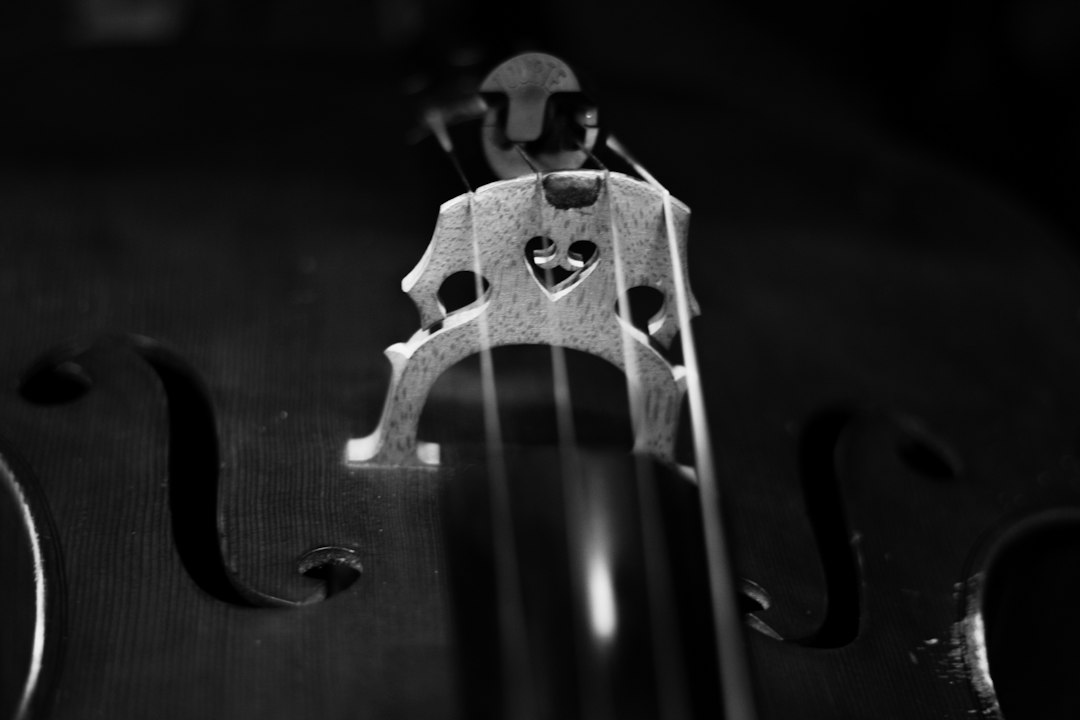
The cello has a warm, vocal quality and can carry a melody with great expression without needing words. The piano provides harmony, depth and stability. Together, the two instruments can be intimate enough for a small memorial gathering while still having sufficient presence for a larger church or chapel.
For JAM Duo, everything is performed live, without backing tracks. That matters at a funeral because the music can breathe with the occasion. We can also create arrangements of requested pieces, so families are not restricted to a fixed catalogue when there is a particular song they would like to hear.
Music for a celebration of life
The phrase ‘celebration of life’ often reflects a desire to focus as much on gratitude and memories as on loss. Musically, that can open up a much broader range of possibilities. Favourite pop songs, music from musicals, jazz, folk tunes, film themes and even pieces associated with hobbies or family jokes can all have a place when chosen thoughtfully.
There is also no rule that every item must carry the same mood. A service can include a reflective entrance, a deeply personal piece during a tribute and something joyful at the end. Contrast can make each musical moment more meaningful.
Planning live music for a funeral or wake
Funerals are often arranged within a relatively short period, so families should not feel they need to arrive with a complete musical plan. A few details about the person, the type of service and any favourite songs are usually enough to begin. From there, suitable pieces can be suggested and the practical arrangements agreed with the venue or funeral director.
If you are considering live cello and piano, you can read more about JAM Duo’s funeral and memorial service music. We also have a guide to choosing the right music for a funeral or memorial service and further information about booking musicians for funerals.
Above all, funeral music should feel truthful to the person being remembered. Whether that means a traditional hymn, a piece of Bach, a favourite love song or something unexpectedly cheerful, the right music can give people a shared moment of memory and connection. Played live and with sensitivity, it becomes more than background sound: it becomes part of the farewell itself.