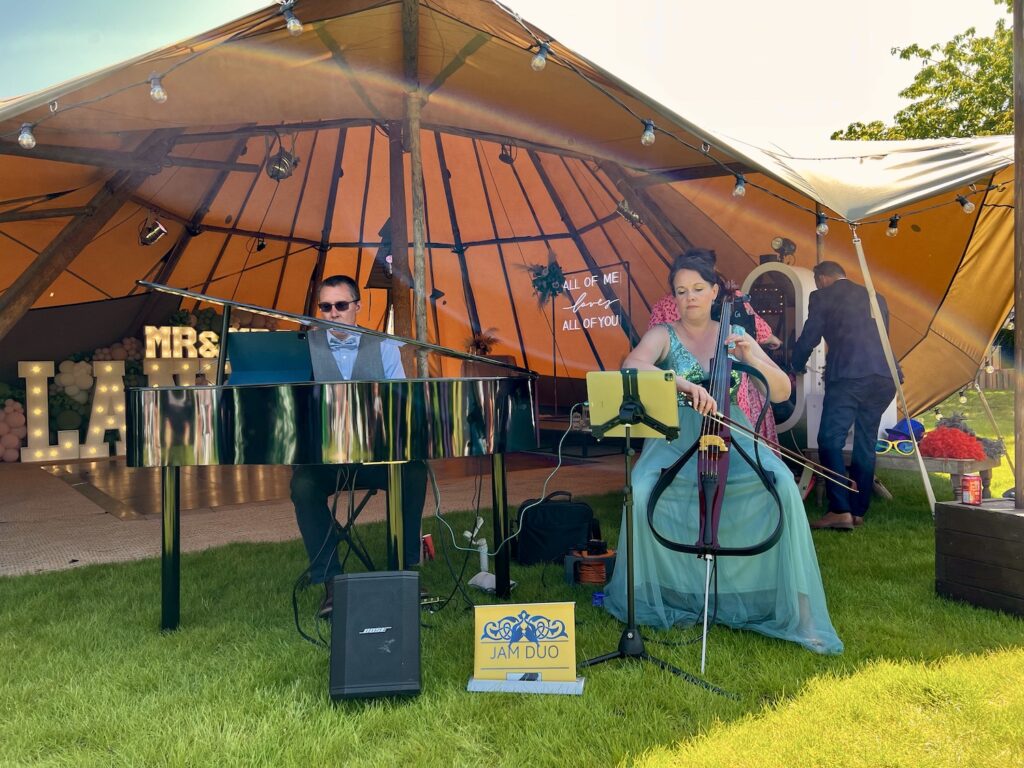

Daytime Wedding Entertainment: How to Keep Guests Engaged From Ceremony to Cocktail Hour
When couples talk about wanting their wedding to feel special, they are usually talking about atmosphere.
Not decorations. Not logistics. Not even specific moments.
They are talking about the invisible quality that makes a room feel warm, alive, and emotionally connected — the sense that something meaningful is happening and everyone present can feel it.
This is why searches like “how to create atmosphere at a wedding” are so common. Couples instinctively understand that atmosphere is what transforms a well-organised event into a memorable experience. The challenge is knowing how to design it intentionally, especially during the daytime hours when weddings naturally move through multiple phases.
From ceremony to cocktail hour, atmosphere is not accidental. It is built. And the most effective tool for building it is carefully planned daytime entertainment — particularly live music.
Atmosphere Is About Emotional Continuity
A wedding day is not one event. It is a sequence of transitions.
Guests arrive. They settle. They witness the ceremony. They mingle. They eat. They relax. Each stage carries a different emotional tone, and the atmosphere depends on how smoothly those tones connect.
When atmosphere fails, it is usually because transitions feel abrupt. Silence stretches awkwardly. Energy drops between moments. Guests feel uncertain about where their attention should rest.
Creating atmosphere means designing emotional continuity — ensuring that every part of the day flows naturally into the next.
Live music is uniquely effective at achieving this because it operates continuously in the background, shaping mood without demanding attention.
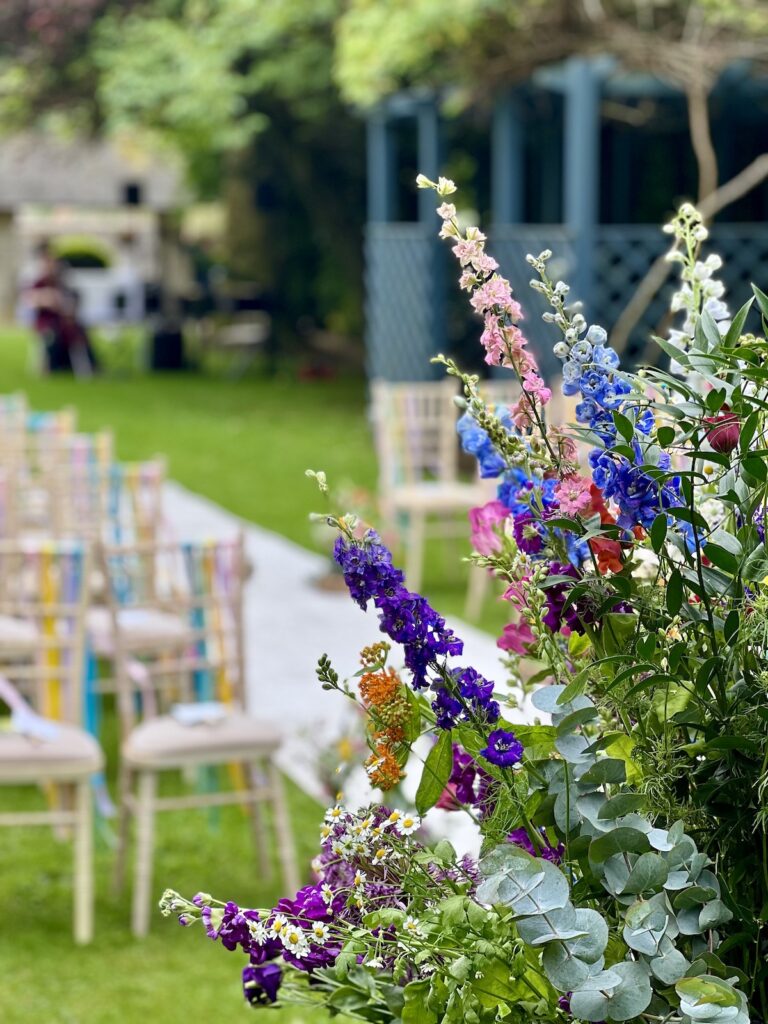
Ceremony: Establishing the Emotional Foundation
The ceremony is where atmosphere begins. Before a single word is spoken, music signals that something significant is about to happen.
The entrance music sets the emotional temperature. Soft, expressive live performance immediately focuses attention and quiets conversation. Guests instinctively understand that this moment matters.
During the ceremony itself, music frames key transitions: entrances, signing moments, and the exit. These musical cues do more than fill silence. They guide emotional pacing. They allow guests to process what they are witnessing and give the couple space to inhabit the moment fully.
A recorded track can accompany a ceremony. Live music, however, responds to the room. It breathes with the pace of the event, stretching or softening as needed. That responsiveness is what creates atmosphere rather than simply sound.
Drinks Reception: Turning Space Into Social Energy
After the ceremony, the drinks reception presents the first major atmospheric challenge. Guests are released from formal seating into open social space. Without structure, this period can feel uncertain.
Live daytime entertainment transforms that uncertainty into relaxed energy.
Gentle background music provides a shared focal point that makes conversation easier. It fills gaps in sound that might otherwise feel uncomfortable. Guests instinctively gather, circulate, and engage more naturally when music is present.
Importantly, live acoustic music does not dominate the room. It supports it. The goal is not performance in the concert sense, but the creation of a sonic environment that encourages interaction.
This is why couples searching for “wedding drinks reception ideas” are often really searching for ways to create social ease. Music achieves this elegantly and unobtrusively.
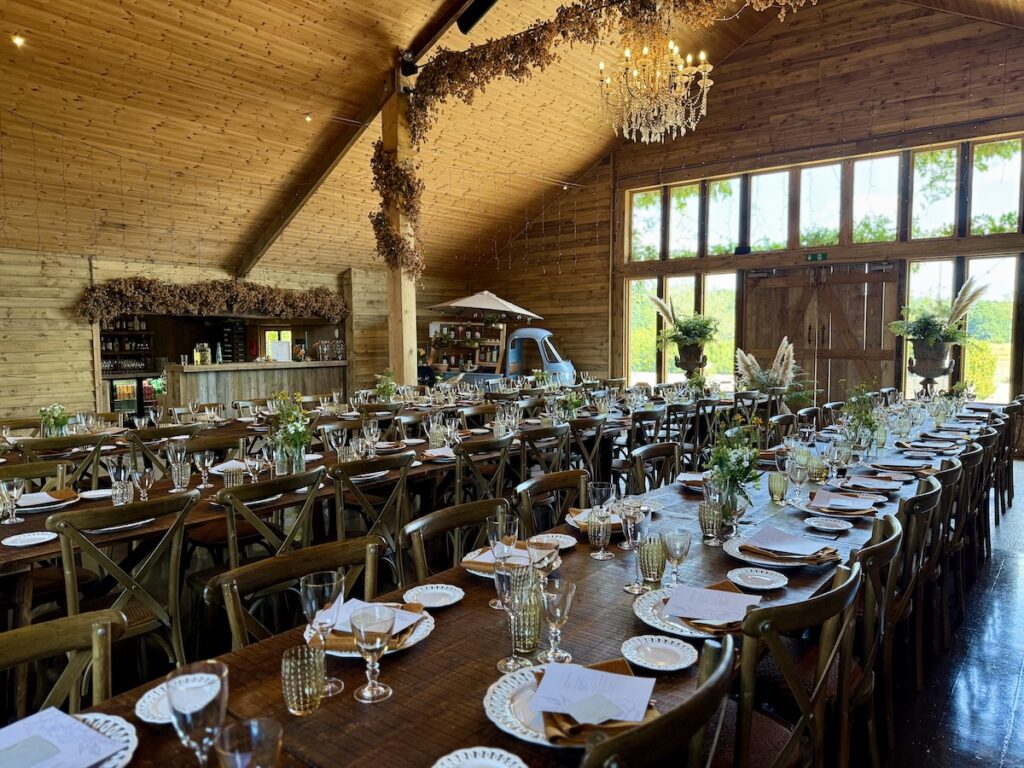
The Wedding Breakfast: Sustaining Warmth
As the day progresses into the meal, maintaining atmosphere becomes a matter of balance. Energy must remain present without overwhelming conversation.
Soft live music during the wedding breakfast sustains warmth and cohesion. It prevents the emotional dip that sometimes follows the excitement of earlier moments. Guests remain engaged with the environment, and the room retains a sense of occasion.
Atmosphere here is subtle. It is about consistency rather than spectacle. A carefully judged musical presence ensures that the day continues to feel curated rather than fragmented.
Cocktail Hour: Bridging Day and Evening
The modern cocktail hour has become an important extension of daytime weddings. It serves as a bridge between formal daytime proceedings and evening celebration.
Atmospherically, this is a moment of relaxation and anticipation. Guests are comfortable, conversation flows easily, and the couple can enjoy a more informal interaction with their friends and family.
Live music enhances this transition by maintaining elegance while allowing energy to rise gently. It signals that the celebration is continuing rather than pausing. The emotional thread of the day remains intact.
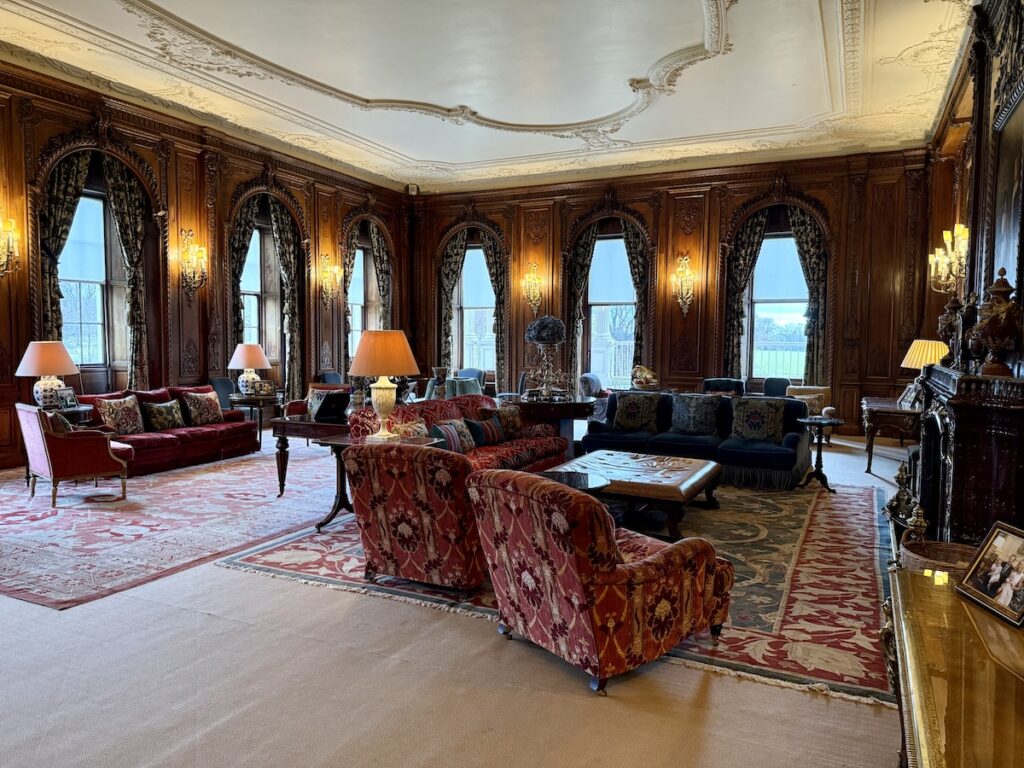

Why Live Music Defines Wedding Atmosphere
Many entertainment options exist for daytime weddings: interactive games, novelty performers, visual attractions. These can be enjoyable additions, but they function as isolated activities.
Atmosphere requires something continuous.
Live music operates across the entire timeline of the day. It adapts to each setting without interrupting flow. It shapes emotional perception in a way that guests rarely analyse consciously but always feel.
Research in environmental psychology consistently shows that background sound influences social behaviour, perceived warmth, and emotional memory. At weddings, this effect is amplified because guests are already emotionally receptive.
Music becomes the medium through which atmosphere is experienced.
Designing Atmosphere Intentionally
Couples who succeed in creating memorable weddings rarely do so by accident. They design their day around guest experience.
This does not mean filling every moment with activity. It means choosing elements that support connection and emotional continuity. Live daytime music provides a framework that allows everything else — conversation, celebration, intimacy — to unfold naturally.
From the quiet anticipation of the ceremony to the relaxed elegance of cocktail hour, music ensures that the wedding feels cohesive. Guests sense that each moment belongs to a larger narrative.
That narrative is what atmosphere truly is.
The Role of Professional Daytime Musicians
Creating atmosphere through music requires more than simply playing songs. It demands sensitivity to timing, acoustics, and emotional pacing.
Professional daytime musicians understand how to read a room. They adjust tempo and dynamics in real time. They support key moments without overshadowing them. Their role is not to perform at guests but to collaborate with the event itself.
This responsiveness is what distinguishes live wedding music from any recorded alternative. It is a partnership between sound and moment.
A Wedding That Feels Alive
When couples search for ways to create atmosphere, they are ultimately seeking a wedding that feels alive — a day where guests feel comfortable, connected, and emotionally present.
Daytime entertainment is not about spectacle. It is about shaping experience. Live music provides the most refined and effective way to achieve this because it touches every stage of the celebration without disrupting it.
From ceremony to cocktail hour, atmosphere is built through continuity, warmth, and intentional design. Music is the thread that carries those qualities from one moment to the next.
A wedding with atmosphere is a wedding that lingers in memory. Not because of any single detail, but because of how it made people feel.
And feeling, more than anything else, is what music does best.